
There comes a point in every parent or caregiver’s journey when one question quietly grows louder:
What will life look like for them in the future?
For adults with special needs, independence isn’t just about living alone, it’s about confidence, dignity, and having the tools to navigate the world in their own way. Families in Tarrant County are increasingly seeking meaningful support systems that go beyond basic care and truly prepare individuals for real-life experiences.
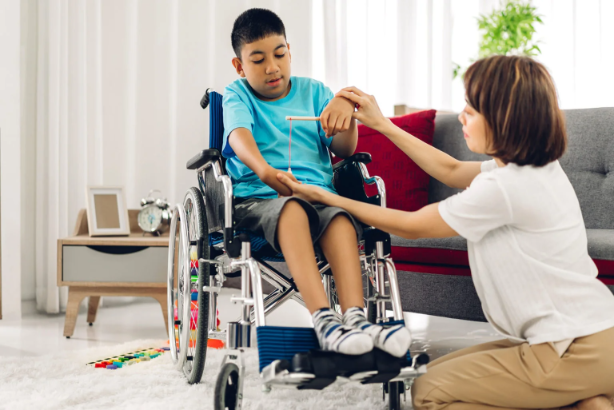
That’s where Life skills training for adults with special needs becomes a game changer. It bridges the gap between dependence and independence, offering structured guidance that feels both practical and empowering.
Instead of focusing on limitations, this kind of training builds strengths, encourages growth, and creates opportunities for individuals to thrive in everyday life. And the results? They’re often more powerful and more emotional, than anyone expects.
Why Independent Living Skills Tarrant County Programs Are Transforming Lives for Adults with Special Needs
Here’s the thing, independence looks different for everyone. For some, it means preparing a meal. For others, it’s managing money or confidently using public transportation. Programs that focus on independent living skills Tarrant County are designed with this flexibility in mind.
Instead of a one-size-fits-all approach, these programs meet individuals exactly where they are. They assess abilities, identify goals, and build a personalized roadmap that supports growth at a comfortable pace.
What makes these programs so impactful is their focus on real-world application. Participants aren’t just learning concepts, they’re practicing them. They’re grocery shopping, cooking, planning schedules, and interacting with others in everyday settings.
Over time, these small steps add up. A person who once relied heavily on caregivers begins to make choices independently. That shift isn’t just practical, it’s deeply emotional. It restores a sense of identity and self-worth that many individuals have never fully experienced before.
What a Special Needs Adult Programs Create Real Opportunities Through Skill-Based Learning and Growth
Not all programs are created equal. The most effective special needs adult programs go beyond basic supervision, they focus on growth, engagement, and long-term outcomes.
Skill-based learning is at the heart of these programs. Participants are introduced to tasks that build competence in everyday areas like communication, time management, and organization. These aren’t just “nice-to-have” skills, they’re essential for living with confidence.
What’s equally important is how these skills are taught. The environment is structured yet supportive, allowing individuals to try, fail, and try again without fear of judgment. This builds resilience, something that’s often overlooked but incredibly valuable.
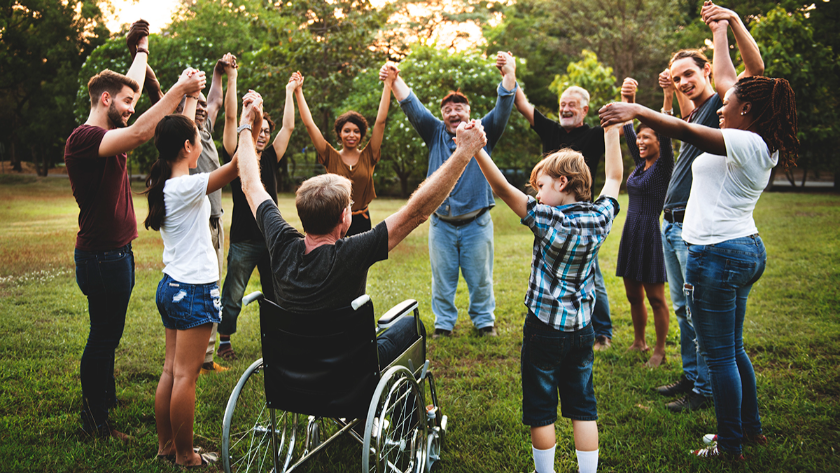
Another powerful element is peer interaction. Being surrounded by others on a similar journey creates a sense of belonging. Friendships form naturally, and social confidence grows along the way.
This combination of skill-building and emotional support creates a strong foundation for independence. It’s not just about learning how to do things, it’s about believing you can.
Building Confidence Through Every Day Routines That Strengthen Daily Living and Personal Independence
Confidence doesn’t appear overnight. It’s built through repetition, encouragement, and small wins that gradually reshape how someone sees themselves.
One of the most effective ways to build that confidence is through structured routines. When individuals practice Daily living skills consistently, those tasks become second nature. Simple activities like preparing meals, organizing personal spaces, or managing a daily schedule begin to feel less overwhelming.
Alongside this, self-care routines play a critical role. Learning how to take care of personal hygiene, dress appropriately, and maintain health isn’t just about physical well-being, it’s about dignity. It helps individuals feel more in control of their lives.
Then comes decision making, which is often the most transformative skill of all. Being able to make choices like what to wear, what to eat, how to spend time, builds a sense of ownership over one’s life.
When these elements come together, they create a powerful shift toward personal independence. It’s not about perfection; it’s about progress and the confidence that grows with every step forward.
The Role of Structured Support Systems in Encouraging Safe and Sustainable Supported Living
Independence doesn’t mean doing everything alone. In fact, the most successful outcomes often come from having the right level of support in place.
That’s where supported living comes in. It provides a balanced approach, offering guidance when needed while still encouraging autonomy. Individuals can practice their skills in a safe environment, knowing help is available if they need it.
Support systems often include trained staff, mentors, and structured programs that guide participants through real-life situations. Whether it’s managing finances, navigating transportation, or handling unexpected challenges, these systems act as a safety net.
What’s important is that the support is gradual. As individuals grow more confident, assistance is reduced, allowing them to take on more responsibility.
This approach ensures that independence is not only achieved but sustained. It creates a sense of stability that benefits both individuals and their families, offering peace of mind while promoting growth.
Why Social Engagement and Meaningful Activities Are Key to Emotional and Social Development
Independence isn’t just about practical skills; it’s also about connection. Humans are social by nature, and meaningful relationships play a huge role in overall well-being.
Programs that include social activities for adults with special needs training help individuals develop communication skills, build friendships, and feel part of a community. These activities might include group outings, creative workshops, or team-based exercises that encourage collaboration.
Through these experiences, individuals learn how to express themselves, understand others, and navigate social situations with confidence. It’s not just about having fun, although that’s certainly part of it, it’s about developing essential interpersonal skills.
Over time, these interactions reduce feelings of isolation and boost emotional health. Participants begin to see themselves as active members of a community rather than passive observers.
And that shift? It’s often life-changing.
How Community-Based Experiences Strengthen Real-World Readiness and Integration
Learning in a classroom is valuable, but real growth often happens outside of it. Community-based experiences provide opportunities to apply skills in real-world settings.
Through community integration for special needs adults, individuals engage with their surroundings in meaningful ways. They visit local stores, use public services, and participate in community events.
These experiences build familiarity and reduce anxiety around new situations. Instead of feeling overwhelmed, individuals begin to feel capable and prepared.
It also helps break down societal barriers. When communities become more inclusive, everyone benefits. Individuals with special needs gain confidence, while the community gains awareness and empathy.
This mutual growth creates a more supportive environment where independence is not only possible but celebrated.
Personalized Learning Approaches That Make Every Individual’s Journey Unique and Effective
No two individuals are the same, and their learning paths shouldn’t be either. Personalized approaches ensure that each person receives the support they need to succeed.
Programs that focus on individualized learning take into account strengths, challenges, interests, and goals. This creates a more engaging experience, as participants are more likely to connect with what they’re learning.
For example, someone interested in cooking might focus more on meal preparation skills, while another person might prioritize budgeting or communication.
This level of customization makes the learning process more meaningful. It also leads to better outcomes, as individuals are more motivated and invested in their progress.
Ultimately, personalization transforms training from a routine process into a journey of self-discovery and growth.
Long-Term Impact: How Life Skills Training Opens Doors to Independence, Employment, And Fulfillment
The benefits of life skills training extend far beyond daily tasks. Over time, individuals gain the confidence and competence needed to explore new opportunities.
Some may pursue part-time jobs, volunteer roles, or internships. Others may focus on building stronger social networks or exploring hobbies that bring joy and purpose.
Programs like a life skills training program in Tarrant County often serve as a stepping stone to these opportunities. They provide the foundation needed to navigate more complex aspects of life.
For families, the impact is equally profound. Seeing a loved one grow in confidence and independence brings a sense of relief and pride that’s hard to put into words.
It’s not just about what individuals can do, it’s about who they become in the process.
A Future Built on Confidence, Independence, And Meaningful Growth
Independence is a journey, not a destination, and for adults with special needs, that journey deserves patience, support, and the right opportunities. With the right guidance, what once felt impossible begins to feel achievable, one step at a time. Families no longer have to wonder “what if?” because they can see real progress unfolding in front of them.
Programs built around Life skills training for adults with special needs do more than teach tasks, they change lives. They replace uncertainty with confidence, isolation with connection, and dependence with empowerment. And perhaps most importantly, they remind every individual that they are capable of growth, purpose, and independence in their own unique way.
Because at the end of the day, independence isn’t about doing everything alone, it’s about having the confidence to live life on your own terms.